
Paraben Forensic Tools for Digital Investigation and Casino Compliance
These days, digital forensics is an important part of current security tactics in many fields. Collection, storage, and analysis of digital proof requires advanced tools for a wide range of organizations, from businesses to casinos. Forensic software has changed a lot over the years. Now, options come with a wide range of features that can be used for everything from looking at mobile devices to analyzing network data. Organizations can make better research processes by learning about the main features and uses of these platforms. In many ways the investigative process mirrors strategic risk evaluation — much like players at happyjokers.com consider probabilities and possible outcomes before placing a wager, investigators analyze patterns and evidence before drawing conclusions.
Understanding Digital Forensics in Modern Enterprise Environments
As hacking gets smarter, the need for solid digital proof has grown by leaps and bounds. Investigators need tools that can not only get data but also keep track of it and make reports that can be used in court. Paraben Corporation has been a major player in this area, making products that help police, business security teams, and compliance departments. The technology behind these platforms keeps getting better. They now have artificial intelligence and cloud-based research features that make it easier to look into complicated cases.
Modern forensic investigations require comprehensive solutions that can handle diverse data sources and formats. From traditional hard drives to cloud storage and mobile devices, investigators must be equipped with tools that can extract, preserve, and analyze digital evidence while maintaining the chain of custody. The legal admissibility of digital evidence depends heavily on the methods and tools used during collection and analysis.
Evolution of Computer Forensic Solutions
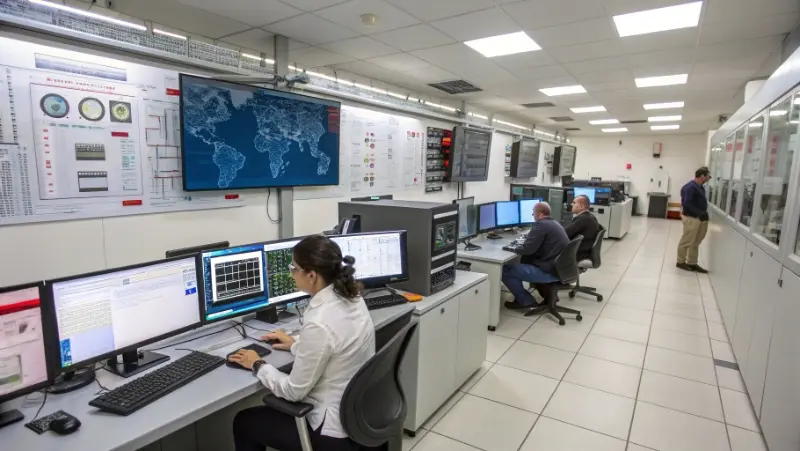
There have been huge changes in computer investigative technology over the last twenty years. Early tools were mostly for imaging hard drives and recovering lost files. They didn't have many features for looking at protected data or cloud storage. These days' platforms combine many ways to get data, like physical image, logical extraction, and file system parsing. This change shows how digital crime is changing and how detectives have to deal with gadgets and ecosystems that are getting more complicated.
The move toward computing that is mobile first has had a big impact on the development of investigative tools. In many cases, smartphones and tablets now have more evidence on them than regular computers. Modern options, like those from Paraben Forensic Software, have changed to include features that work specifically with iOS and Android devices, as well as support for artifacts that are unique to social media and messaging apps. With these features, detectives can piece together what users did with a level of accuracy and depth that has never been seen before.
"The landscape of digital forensics has transformed dramatically with the proliferation of mobile devices and cloud services, requiring investigators to adopt more sophisticated methodologies and tools."

Key Components of Professional Investigation Software
There are a few key differences between professional forensic systems and simple recovery tools that make them stand out. Data capture units are the building blocks that support a wide range of imaging techniques and devices. Then, analysis engines go through this data, finding important items and showing them in a way that investigators can easily understand. Reporting features make sure that results can be saved in a way that can be used in court cases and governmental audits.
Case management tools on more advanced systems let teams work together on complicated probes. Investigators can better understand the order of events with timeline visualization tools, and keyword searches and filtering makes it easy to look over big datasets. Hash analysis and cryptographic functions help verify that digital evidence hasn't been changed or messed with. These parts work together to make a complete forensic ecosystem that can handle investigations of any size or difficulty.
- Advanced data acquisition capabilities for multiple device types and storage formats
- Comprehensive parsing engines for extracting artifacts from applications and operating systems
- Timeline analysis tools for reconstructing user activities and system events
- Collaborative case management features for team-based investigations
- Court-ready reporting functionality with detailed documentation and chain of custody tracking
- Hash verification and integrity checking to ensure evidence authenticity
Paraben Tools in Casino Compliance and Gaming Industry Applications
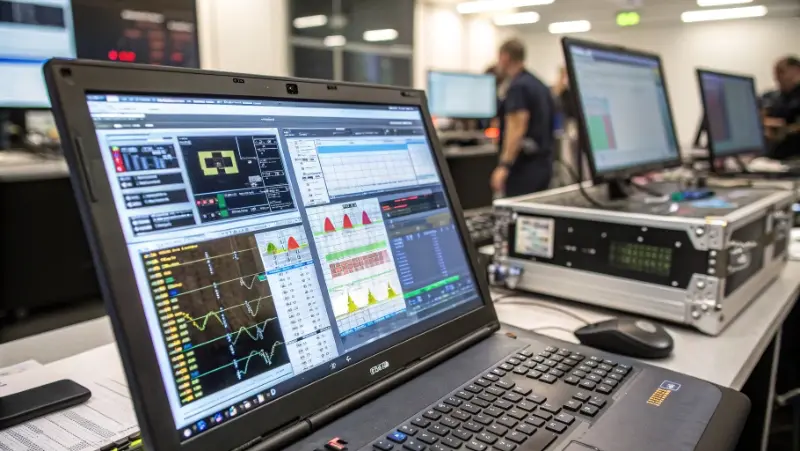
The gaming and casino industry faces unique challenges when it comes to digital investigations and compliance monitoring. Casino operators must maintain strict oversight of their gaming systems, employee activities, and customer interactions to ensure regulatory compliance and prevent fraud. Paraben forensic tools provide specialized capabilities that are particularly valuable in this context, offering the ability to investigate suspicious activities, verify system integrity, and document evidence of any irregularities.
In casino environments, digital forensics plays a crucial role in investigating potential fraud schemes, employee misconduct, and system manipulation. Gaming surveillance systems generate massive amounts of data that must be analyzed when incidents occur. Forensic tools enable security teams to correlate video footage with transaction logs, player tracking data, and system access records to build comprehensive timelines of events.
Furthermore, compliance departments utilize these tools to conduct regular audits of gaming systems and ensure that all operations meet regulatory standards. The ability to extract and analyze data from slot machines, table game systems, and cashless gaming platforms helps casinos maintain transparency and demonstrate compliance to regulatory authorities. Mobile forensics capabilities are particularly important as casinos increasingly adopt mobile applications for player engagement and cashless transactions.

Mobile Device Forensics and Social Media Analysis
The explosive growth of mobile computing has created new challenges and opportunities for digital investigators. Smartphones and tablets contain vast amounts of personal data, including communication records, location history, application data, and multimedia content. Paraben's mobile forensic solutions address these challenges with specialized extraction methods that can recover data from both iOS and Android devices, even when devices are locked or damaged.
Social media applications present particular challenges due to their complex data structures and frequent updates. Modern forensic tools must be able to parse data from popular platforms like Facebook, Instagram, WhatsApp, and Snapchat, extracting messages, images, videos, and metadata in a forensically sound manner. The ability to recover deleted content and analyze user interactions provides crucial evidence in many types of investigations.
| Data Source | Extraction Method | Key Artifacts |
|---|---|---|
| iOS Devices | Logical, File System, Physical | Messages, Photos, App Data, Location History |
| Android Devices | ADB, Root, Chip-Off | SMS, Contacts, Browser History, Downloaded Files |
| Social Media Apps | Application Parsing | Messages, Posts, Comments, Friend Lists |
| Cloud Services | API Access, Backup Analysis | Synced Files, Backups, Shared Content |
Cloud Forensics and Distributed Data Analysis
As organizations increasingly rely on cloud services for data storage and application hosting, forensic investigators must adapt their methodologies to handle evidence stored across distributed systems. Cloud forensics presents unique challenges related to data jurisdiction, multi-tenancy, and the volatility of cloud-based evidence. Paraben tools have evolved to address these challenges, providing capabilities for acquiring data from popular cloud services while maintaining forensic integrity.
The investigation of cloud-based evidence requires careful planning and execution to ensure that data collection methods are legally sound and technically reliable. Investigators must understand the architecture of different cloud services and the APIs available for data extraction. Additionally, the geographic distribution of cloud data centers raises questions about jurisdiction and legal authority that must be addressed before beginning any investigation.
Collaboration between forensic teams and cloud service providers is often necessary to obtain relevant data, particularly when dealing with encrypted or ephemeral content. Modern forensic platforms facilitate this process by supporting standardized data formats and providing secure channels for evidence transfer. The ability to verify the authenticity and completeness of cloud-acquired data is essential for ensuring its admissibility in legal proceedings.
Best Practices for Implementing Forensic Investigation Programs
Successful implementation of a digital forensic capability requires more than just purchasing software. Organizations must develop comprehensive policies and procedures that govern how investigations are conducted, how evidence is handled, and how findings are reported. Training is a critical component, ensuring that investigators understand both the technical aspects of the tools and the legal requirements for evidence collection and preservation.
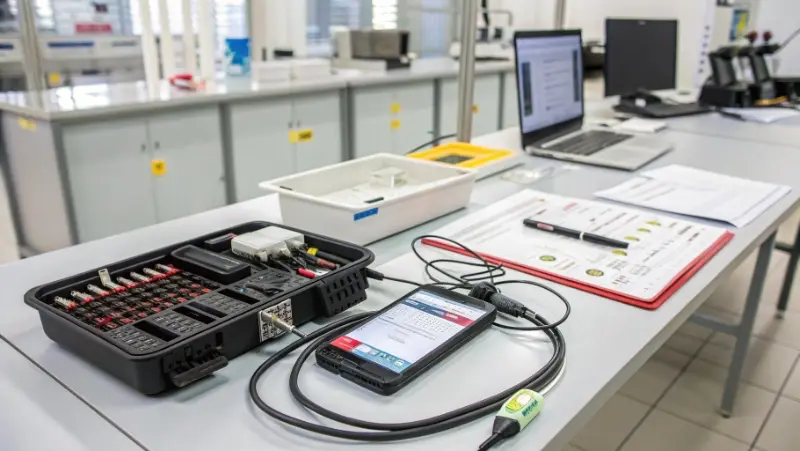
Establishing a proper forensic laboratory environment is essential for maintaining the integrity of digital evidence. This includes securing physical access to examination workstations, implementing network isolation to prevent contamination, and maintaining detailed logs of all actions taken during investigations. Quality assurance procedures should be in place to verify that tools are functioning correctly and producing reliable results.
Documentation is another crucial aspect of forensic investigations. Every step of the process, from initial evidence collection through final reporting, must be thoroughly documented to establish a clear chain of custody. This documentation not only supports the admissibility of evidence in court but also enables peer review and quality control within the organization.
- Develop comprehensive standard operating procedures for all forensic activities
- Implement rigorous training programs for forensic investigators and analysts
- Establish secure forensic laboratory environments with proper access controls
- Maintain detailed chain of custody documentation for all evidence
- Conduct regular tool validation and quality assurance testing
- Stay current with emerging technologies and forensic methodologies
- Build relationships with legal counsel to ensure compliance with applicable laws
Future Trends in Digital Forensics Technology
The field of digital forensics continues to evolve rapidly in response to new technologies and emerging threats. Artificial intelligence and machine learning are increasingly being integrated into forensic tools to automate routine tasks and identify patterns that might be missed by human analysts. These technologies can process vast amounts of data quickly, helping investigators focus their attention on the most relevant evidence.
The Internet of Things (IoT) presents new opportunities and challenges for digital forensics. As more devices become connected and generate digital trails, investigators must develop capabilities to extract and analyze data from smart home devices, wearable technology, and industrial control systems. The forensic examination of these devices often requires specialized knowledge and tools beyond traditional computer forensics.
Encryption and privacy-enhancing technologies pose ongoing challenges for forensic investigators. As device manufacturers and software developers implement stronger security measures to protect user privacy, investigators must develop new techniques for lawfully accessing encrypted data. This creates an ongoing tension between privacy rights and the needs of law enforcement and corporate security teams.
Frequently Asked Questions
What makes Paraben forensic tools suitable for casino compliance investigations?
Paraben forensic tools offer comprehensive data extraction and analysis capabilities that are essential for casino compliance work. They can examine gaming systems, employee devices, and surveillance data to identify irregularities, verify system integrity, and document evidence of fraud or misconduct. The tools' ability to handle diverse data sources and generate court-ready reports makes them particularly valuable for regulatory compliance and internal investigations in the gaming industry.
How do modern forensic tools handle encrypted data and locked devices?
Modern forensic tools employ multiple strategies for accessing encrypted data and locked devices. These include exploiting known vulnerabilities, using advanced extraction techniques like chip-off forensics, accessing cloud backups that may not be encrypted, and working with device manufacturers or service providers when legally authorized. However, strong encryption remains a significant challenge, and investigators must often pursue alternative sources of evidence or legal compulsion to obtain access credentials.
What is the difference between logical and physical acquisition in mobile forensics?
Logical acquisition extracts only the files and data that are accessible through the device's operating system interface, similar to what a user would normally see. Physical acquisition creates a complete bit-by-bit copy of the device's storage, including deleted files, system files, and unallocated space. Physical acquisition provides more comprehensive data but requires specialized tools and may not be possible on all devices due to security restrictions. The choice between methods depends on the investigation requirements and technical constraints.
How long should organizations retain digital forensic evidence?
Evidence retention requirements vary based on the type of investigation, applicable regulations, and organizational policies. For criminal cases, evidence should be retained until all appeals are exhausted and any statute of limitations has expired. Corporate investigations may require retention for several years to support potential litigation. Many organizations establish retention schedules of 5-7 years for forensic evidence, though some industries with strict regulatory requirements may need to retain evidence longer. Proper evidence management systems with secure storage and clear disposition procedures are essential.
What qualifications should digital forensic investigators possess?
Professional digital forensic investigators should have a combination of technical skills and formal training. Industry-recognized certifications such as EnCE (EnCase Certified Examiner), CFCE (Certified Forensic Computer Examiner), or GCFE (GIAC Certified Forensic Examiner) demonstrate competency in forensic methodologies and tools. Educational backgrounds in computer science, information security, or criminal justice provide foundational knowledge. Equally important are skills in documentation, attention to detail, understanding of legal procedures, and the ability to communicate technical findings to non-technical audiences.